Amusement park tourist trains carry guests across the whole venue, but the power system that moves them affects everything from noise to fuel bills. DINIS supplies park trains from 16 to 200 seats in both electric and diesel versions, and the best choice depends on your route, operating hours, and venue environment. This guide compares the two systems for a tourist amusement park train ride, covering ride experience, operating costs, route flexibility, and long-term reliability.
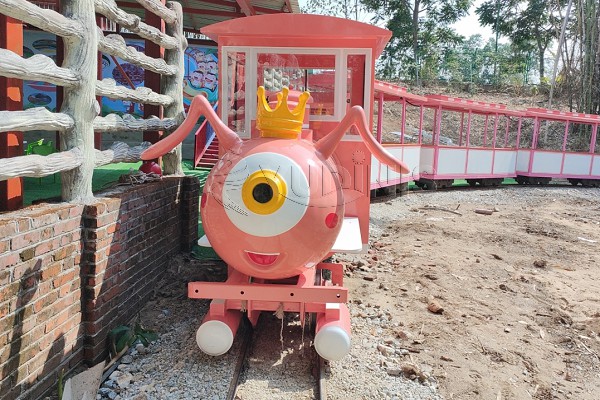
What Riders Notice First
Guests feel the difference between power systems even if they cannot name it. Choosing the right park tourist train power source shapes what riders notice: electric and battery trains run quietly and smoothly, which suits family parks, zoos, and indoor venues where noise matters, while diesel trains produce a deeper engine note that some operators enjoy as part of a vintage or working-railway atmosphere. Modern electric trains can still simulate steam effects, so the classic tourist-train look works with either system. The choice is about how the train should feel, sound, and fit into your park’s environment.
The Case for Electric Tourist Trains
Electric trains are the fastest-growing choice for tourist rides because they are clean, quiet, and inexpensive to run. Battery and plug-in electric systems need no fuel storage, produce no local exhaust, and suit indoor malls, city parks, resorts, and eco-sensitive scenic areas. Charging can be scheduled overnight or between operating periods, and many modern models complete a full day on a single charge. The sightseeing train rides range from DINIS includes both electric and diesel versions, so you can compare runtimes and themes in one place.
The Case for Diesel Tourist Trains
Diesel power remains valuable for long routes, heavy passenger loads, and venues without reliable charging. Diesel trains refuel quickly, run all day without interruption, and handle steep grades with ease. They are common in large scenic spots, fairgrounds, and tourist routes where the train operates continuously through peak seasons. The diesel locomotive heritage gives operators a proven technology with widely available service knowledge and spare parts.
Operating Costs and Energy Efficiency
Costs diverge over the ride’s lifetime. Electric trains generally have lower energy and maintenance costs, with fewer moving parts than combustion engines, though batteries need periodic replacement. Diesel trains spend more on fuel and engine servicing but can be cheaper per passenger when routes are long and continuous. Ask manufacturers for energy consumption per trip, battery life, and service intervals, then model five years of operation for your route length and daily hours before choosing.
Matching the Power System to Your Route
Short loops in family-friendly or indoor venues favor electric; long continuous routes on challenging terrain favor diesel or hybrid solutions. Trackless trains on tires give flexibility on paved paths, while track-mounted trains provide a stable guided experience on fixed routes. Venues with unstable power or remote operation points should plan fuel or charging logistics carefully. Whatever you choose, the train should fit the park’s pace, gradient, and daily schedule.
Reliability, Warranty, and Support
The most important factor after the power system is the manufacturer’s support. DINIS provides a 365-day warranty and long-term after-sales service for amusement park trains, covering parts, guidance, and technical help. Reliability directly affects revenue, because a train out of service disrupts both transport and entertainment. Before purchasing, confirm spare-parts availability, service response times, and the experience of the installation team, and choose a power system backed by documented maintenance plans.
The right power system turns a tourist train into a dependable daily revenue generator. Work directly with a DINIS train factory that builds both electric and diesel models, and compare their specifications side by side before you commit. For detailed specifications, prices, and energy-cost estimates for your route, visit https://www.dinistrains.com/amusement-park-train-for-sale/ and discuss your operating plan with the team.