When Does a Double Decker Carousel Ride Earn More Per Square Meter Than a Single-Level Carousel?

Two carousels can occupy the same plaza, carry a similar number of passengers per hour and still produce very different revenue, because one uses its vertical space and the other does not. That difference is what makes the double decker question a financial one rather than a matter of taste. This guide explains when a double decker carousel ride revenue case beats a single-level machine on the same ground.
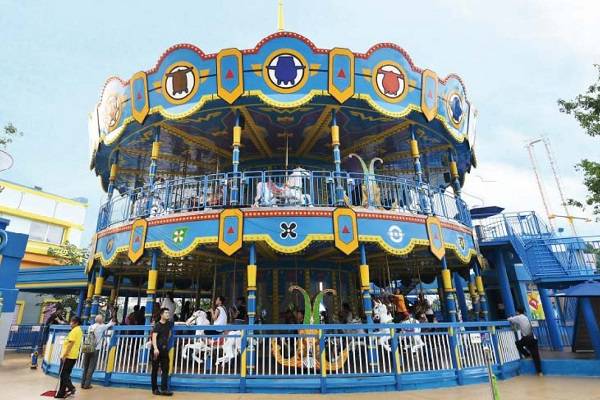
double decker carousel ride revenue

Measure Revenue Per Square Meter, Not Per Ride

The useful comparison is the income the ride generates from the land it occupies. A single-level carousel needs a large platform to reach high capacity, while a two-level machine stacks the same footprint into two rings of riders. In a shopping centre, a rooftop or a compact park, that vertical stacking is the difference between a ride that pays for its land and one that merely fills it.

Check Whether the Extra Capacity Will Be Used

Higher capacity only becomes revenue when demand exists to fill it. Parks with strong evening footfall, tourist peaks or a mixed audience of families and adults usually fill a double decker consistently, while a small seasonal site may run it half empty outside the school holidays. Compare the projected loads with the ride’s cycle time and pricing before assuming that more seats automatically mean more income.

Plan Capacity Around the Second Level

A second deck changes the loading pattern. Guests need time to climb, staff need to check both rings, and the upper level must be cleared before the ride starts. Careful double decker carousel ride capacity planning therefore covers the stairs, the platform width, the gate positions and the number of attendants, not only the seat count. A machine that loads slowly can end up carrying fewer passengers per hour than a well-run single-level ride.

Compare Landmark Value and Sight Lines

A double decker is visible from much further away than a single-level carousel, which makes it a landmark for the venue rather than just an attraction. That visibility has commercial value in a mall atrium, a resort plaza or a park entrance, where the ride advertises itself to visitors who have not yet decided what to do. Check the height limits, the ceiling clearance and the sight lines from the main approach before the design is fixed.

Price the Ride for Its Audience

Visitors pay more for an experience they perceive as special, and a two-level carousel with a grand canopy and a lit upper ring supports a higher ticket price than a standard machine. Operators can also sell the upper deck for events, photographs and private hire. Reviewing a double decker carousel with 68 seats alongside larger models shows how capacity, height and price move together, which makes the pricing decision easier to defend.

Account for Operating and Maintenance Costs

The second level adds stairs, railings, lighting and a larger structure to inspect, and it usually needs one more attendant during busy periods. Those costs should be subtracted from the extra revenue before the investment is judged. The structural principles described in reference material on carousel capacity and design explain why a two-level machine carries a heavier frame and a more demanding inspection routine, and why the operator should budget for both from the first season.

A double decker earns more per square meter when the venue has the footfall, the height and the visibility to use it. Compare revenue per square meter rather than per ride, test whether the capacity will be filled, plan the loading of both levels, judge the landmark value, price for the audience and subtract the extra operating cost. Operators comparing machines can review the range from Carousel Manufacturer double decker range and open the product page at https://www.carouselmanufacturer.com/product/double-decker-carousel-ride-for-sale/.
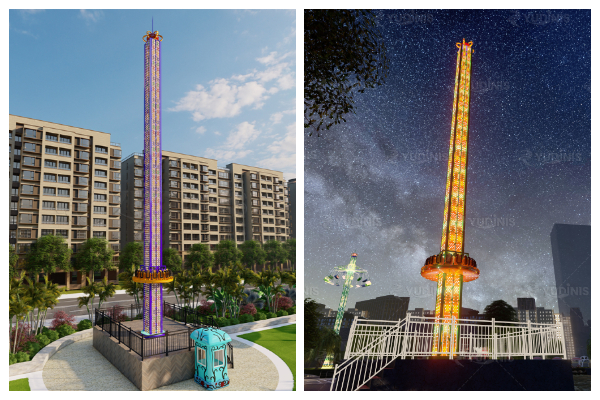
How Does Ride Capacity Affect the Operating Efficiency of a Drop Tower Attraction?

Drop towers are among the most profitable thrill rides in a park, but their earnings depend on how many guests they serve each hour rather than how tall they are. Seats per cycle, cycle time, and loading efficiency decide whether a tower becomes a revenue engine or a queue generator. This article explains how drop tower ride capacity shapes operating efficiency and what operators can do to improve it.

drop tower ride capacity

Capacity Is a Product, Not a Number

Hourly capacity equals seats per cycle multiplied by cycles per hour. A 24-seat tower with a two-minute cycle can theoretically serve around 720 guests per hour; the same tower with a three-minute cycle serves about 480. Taller towers often have longer lift times, so a moderate height with fast dispatch can outperform a taller attraction in revenue terms. Always convert seat counts into hourly figures before comparing models.

Cycle Time and Loading Efficiency

Cycle time includes lifting, the drop sequence, braking, unloading, and loading. Loading is usually the variable the operator controls: pre-boarding gates, clear seat numbering, and staffed restraint checks can save fifteen to thirty seconds per cycle, which translates into hundreds of additional riders each day. Efficient loading is the cheapest way to improve drop tower operating efficiency.

Staffing and Queue Design

A tower needs one operator and, at busy times, one or two attendants at the boarding gate. The queue should be designed so that guests reach their seats quickly and exit on the opposite side, with separate routes for arriving and departing guests. Shade, seating, and clear waiting-time information keep guests in line rather than leaving for other attractions.

Energy and Maintenance per Rider

Lift systems consume significant power on every cycle, so capacity directly affects energy cost per guest. A tower running near full capacity spends less electricity per rider than one dispatching half-empty cabins, and the same principle applies to brake wear and other consumable components. Where operating patterns allow, grouping guests to fill cabins is a simple efficiency measure.

Planning for Peaks and Maintenance Windows

Capacity planning should target the busiest hour, not the daily average. If demand regularly exceeds the theoretical figure, extend opening hours, add a second tower, or complement the drop with a related attraction such as a swing tower rides experience that shares the same zone but offers a different sensation. Schedule inspections and lubrication during low-traffic periods so maintenance never cuts into peak revenue.

Capacity and Return on Investment

Purchase price, installation, power, and staffing all form part of the equation, but the number that ultimately matters is revenue per operating hour. Towers with high capacity and short cycles recover their investment faster, and they also reduce the pressure to discount tickets during quiet periods. Model three scenarios – conservative, expected, and peak – before committing to a model.

Ride capacity determines how efficiently a drop tower converts waiting guests into revenue, so specify it deliberately rather than choosing on height alone. Work with an experienced Top Ride Sale tower ride supplier that provides measured throughput figures, and review the general design of a free fall ride to understand lift and braking cycles. To compare models and request a proposal, visit https://www.topridesale.com/drop-tower-ride-for-sale/.

Electric or Diesel: Which Amusement Park Tourist Train Ride Is Better for Your Park?

Amusement park tourist trains carry guests across the whole venue, but the power system that moves them affects everything from noise to fuel bills. DINIS supplies park trains from 16 to 200 seats in both electric and diesel versions, and the best choice depends on your route, operating hours, and venue environment. This guide compares the two systems for a tourist amusement park train ride, covering ride experience, operating costs, route flexibility, and long-term reliability.

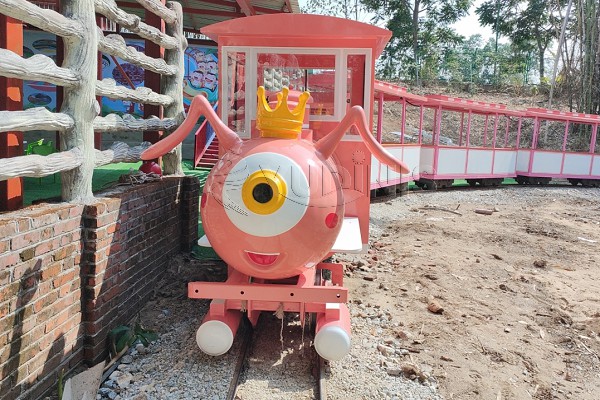
tourist amusement park train ride

What Riders Notice First

Guests feel the difference between power systems even if they cannot name it. Choosing the right park tourist train power source shapes what riders notice: electric and battery trains run quietly and smoothly, which suits family parks, zoos, and indoor venues where noise matters, while diesel trains produce a deeper engine note that some operators enjoy as part of a vintage or working-railway atmosphere. Modern electric trains can still simulate steam effects, so the classic tourist-train look works with either system. The choice is about how the train should feel, sound, and fit into your park’s environment.

The Case for Electric Tourist Trains

Electric trains are the fastest-growing choice for tourist rides because they are clean, quiet, and inexpensive to run. Battery and plug-in electric systems need no fuel storage, produce no local exhaust, and suit indoor malls, city parks, resorts, and eco-sensitive scenic areas. Charging can be scheduled overnight or between operating periods, and many modern models complete a full day on a single charge. The sightseeing train rides range from DINIS includes both electric and diesel versions, so you can compare runtimes and themes in one place.

The Case for Diesel Tourist Trains

Diesel power remains valuable for long routes, heavy passenger loads, and venues without reliable charging. Diesel trains refuel quickly, run all day without interruption, and handle steep grades with ease. They are common in large scenic spots, fairgrounds, and tourist routes where the train operates continuously through peak seasons. The diesel locomotive heritage gives operators a proven technology with widely available service knowledge and spare parts.

Operating Costs and Energy Efficiency

Costs diverge over the ride’s lifetime. Electric trains generally have lower energy and maintenance costs, with fewer moving parts than combustion engines, though batteries need periodic replacement. Diesel trains spend more on fuel and engine servicing but can be cheaper per passenger when routes are long and continuous. Ask manufacturers for energy consumption per trip, battery life, and service intervals, then model five years of operation for your route length and daily hours before choosing.

Matching the Power System to Your Route

Short loops in family-friendly or indoor venues favor electric; long continuous routes on challenging terrain favor diesel or hybrid solutions. Trackless trains on tires give flexibility on paved paths, while track-mounted trains provide a stable guided experience on fixed routes. Venues with unstable power or remote operation points should plan fuel or charging logistics carefully. Whatever you choose, the train should fit the park’s pace, gradient, and daily schedule.

Reliability, Warranty, and Support

The most important factor after the power system is the manufacturer’s support. DINIS provides a 365-day warranty and long-term after-sales service for amusement park trains, covering parts, guidance, and technical help. Reliability directly affects revenue, because a train out of service disrupts both transport and entertainment. Before purchasing, confirm spare-parts availability, service response times, and the experience of the installation team, and choose a power system backed by documented maintenance plans.

The right power system turns a tourist train into a dependable daily revenue generator. Work directly with a DINIS train factory that builds both electric and diesel models, and compare their specifications side by side before you commit. For detailed specifications, prices, and energy-cost estimates for your route, visit https://www.dinistrains.com/amusement-park-train-for-sale/ and discuss your operating plan with the team.