Define the Project Before You Compare Suppliers
A useful supplier comparison begins with a written project brief, not with a folder of sales brochures. Record the available floor area, ceiling height, column positions, expected age groups, target guest numbers, operating hours, budget range, and opening date. Identify whether the venue needs a standalone attraction, a complete family entertainment center, or a phased installation. Include local fire, accessibility, electrical, and supervision requirements in the brief so every bidder prices the same scope. Ask each company to explain its design assumptions and exclusions rather than letting the lowest headline number define the conversation. A disciplined indoor playground supplier comparison framework uses that shared brief to separate genuine capability from attractive presentation. It also makes later revisions easier to compare because quantities, finishes, and services are attached to known requirements. Before evaluating creativity, confirm that every supplier is responding to the same operational and commercial problem.
Check Engineering and Safety Evidence
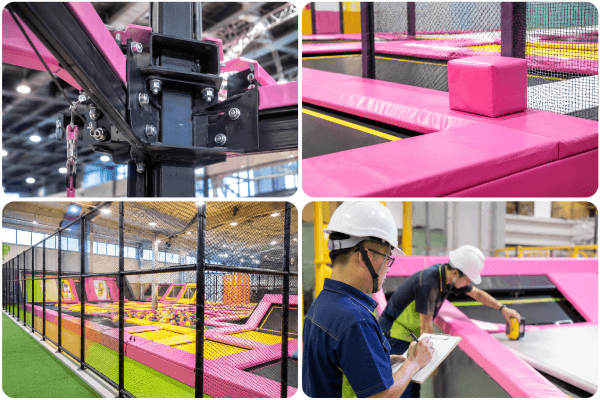
Request the documents that show how the equipment will perform, not only what it will look like. Review structural calculations, load assumptions, fall-height planning, guardrail details, entrapment checks, material specifications, and the standards the manufacturer expects the installation to meet. Ask which evidence is generic and which applies to the exact configuration being quoted. A credible supplier should be able to identify testing reports, component certificates, approved fasteners, and the spare-parts references tied to the proposed modules. Check whether the design team notices site constraints that could affect clearance, emergency egress, or supervision sightlines. During the comparison, score the clarity and relevance of these documents instead of awarding credit merely for their volume. Safety paperwork should connect to the delivered configuration and remain useful after the handover, when operators need inspection points and approved replacement guidance.
Inspect Materials, Components, and Production Quality
A quote can contain the same equipment names while hiding substantial differences in durability. Ask for the core structure, deck, padding, net, slide, coating, fastener, and soft-play specifications. Confirm which materials are suitable for busy commercial use and how joints, edges, and high-wear surfaces are finished. Discuss the manufacturing process, quality-control checkpoints, and the records supplied before shipment. Where possible, inspect photographs or videos of comparable factory work and completed projects, then ask how the supplier resolves a nonconforming part. This is where a documented commercial playground vendor due diligence helps owners compare value rather than decoration. Consider replacement frequency, cleaning demands, and whether common consumables are readily available. A slightly higher initial price can be justified by thicker protective materials, serviceable connections, and fewer custom parts that would slow a future repair. Record every material promise in the technical annex so the production order has a measurable quality baseline.
Review Delivery, Installation, and Project Communication
Installation is part of the product, so compare how each supplier controls the transition from factory drawings to an operating venue. Ask who supervises site preparation, unloading, assembly, electrical coordination, commissioning, and snag resolution. Clarify the roles of local contractors and the manufacturer’s own technicians, including who is accountable when site conditions differ from the drawings. Look for a realistic schedule with decision dates, production milestones, shipping windows, and contingency for customs or building access. Request a sample reporting rhythm and a named project contact. Operators also need to know how changes are priced and approved before work begins. A transparent delivery plan reduces the risk of discovering an unclear responsibility after crews are already on site. The supplier support and quality process should continue through handover, training, documentation, and the first operating weeks rather than ending when the final invoice is issued.
Measure Lifetime Value, Not Only the Quote
The purchase price is only one part of ownership cost. Model transport, installation, staff training, spare inventory, cleaning, inspection, repair labour, downtime, and the expected life of major components. Ask how quickly the supplier can identify and ship a replacement, and whether technical help is available when the venue is investigating a fault. Compare warranty terms by what is covered, for how long, and which exclusions depend on evidence the operator must retain. A maintenance plan that fits the venue’s staffing level is more valuable than a broad promise of assistance. Apply the principles of procurement by separating mandatory requirements from desirable extras and evaluating both technical and commercial scores. Include the Miland indoor playground manufacturer and other shortlisted companies in the same lifecycle model. This exposes whether an inexpensive package becomes costly through fragile parts, weak documentation, or slow support, and it gives decision makers a defensible basis for choosing the final partner.
Use a Scorecard and Verify Every Claim
Turn the project brief into a weighted scorecard before final negotiations. Assign separate scores for design understanding, safety evidence, materials, manufacturing quality, delivery reliability, support, commercial terms, and reference feedback. Require evidence for each score and preserve the reviewers’ notes. Speak with operators of similar venues and ask about communication, installation discipline, guest response, and how issues were handled after opening. Verify at least one reference independently and compare the answers with the proposal rather than relying on a logo list. Clarify final drawings, inspection documents, training, and spare-parts data before signing. Keep the scorecard with the contract and use it during acceptance. A structured review keeps the team focused on total capability and long-term operation, while a single dramatic price cut should trigger more questions. When the comparisons are complete, return to the original project scope and confirm which proposal best meets it. https://www.milandplay.com/