How Does Ride Capacity Affect the Operating Efficiency of a Drop Tower Attraction?

Drop towers are among the most profitable thrill rides in a park, but their earnings depend on how many guests they serve each hour rather than how tall they are. Seats per cycle, cycle time, and loading efficiency decide whether a tower becomes a revenue engine or a queue generator. This article explains how drop tower ride capacity shapes operating efficiency and what operators can do to improve it.
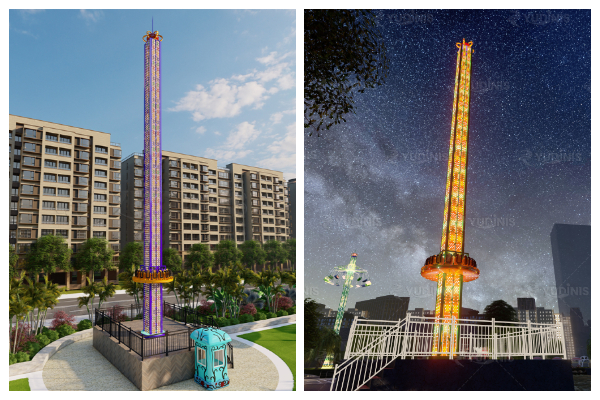
drop tower ride capacity

Capacity Is a Product, Not a Number

Hourly capacity equals seats per cycle multiplied by cycles per hour. A 24-seat tower with a two-minute cycle can theoretically serve around 720 guests per hour; the same tower with a three-minute cycle serves about 480. Taller towers often have longer lift times, so a moderate height with fast dispatch can outperform a taller attraction in revenue terms. Always convert seat counts into hourly figures before comparing models.

Cycle Time and Loading Efficiency

Cycle time includes lifting, the drop sequence, braking, unloading, and loading. Loading is usually the variable the operator controls: pre-boarding gates, clear seat numbering, and staffed restraint checks can save fifteen to thirty seconds per cycle, which translates into hundreds of additional riders each day. Efficient loading is the cheapest way to improve drop tower operating efficiency.

Staffing and Queue Design

A tower needs one operator and, at busy times, one or two attendants at the boarding gate. The queue should be designed so that guests reach their seats quickly and exit on the opposite side, with separate routes for arriving and departing guests. Shade, seating, and clear waiting-time information keep guests in line rather than leaving for other attractions.

Energy and Maintenance per Rider

Lift systems consume significant power on every cycle, so capacity directly affects energy cost per guest. A tower running near full capacity spends less electricity per rider than one dispatching half-empty cabins, and the same principle applies to brake wear and other consumable components. Where operating patterns allow, grouping guests to fill cabins is a simple efficiency measure.

Planning for Peaks and Maintenance Windows

Capacity planning should target the busiest hour, not the daily average. If demand regularly exceeds the theoretical figure, extend opening hours, add a second tower, or complement the drop with a related attraction such as a swing tower rides experience that shares the same zone but offers a different sensation. Schedule inspections and lubrication during low-traffic periods so maintenance never cuts into peak revenue.

Capacity and Return on Investment

Purchase price, installation, power, and staffing all form part of the equation, but the number that ultimately matters is revenue per operating hour. Towers with high capacity and short cycles recover their investment faster, and they also reduce the pressure to discount tickets during quiet periods. Model three scenarios – conservative, expected, and peak – before committing to a model.

Ride capacity determines how efficiently a drop tower converts waiting guests into revenue, so specify it deliberately rather than choosing on height alone. Work with an experienced Top Ride Sale tower ride supplier that provides measured throughput figures, and review the general design of a free fall ride to understand lift and braking cycles. To compare models and request a proposal, visit https://www.topridesale.com/drop-tower-ride-for-sale/.
Which Parts of a Water Park Project Can Be Developed in Parallel to Shorten the Opening Schedule?

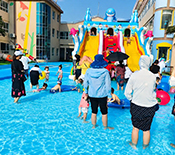
Water parks are usually built sequentially: earthworks, then pools, then plant, then slides, then theming. That order feels safe but it leaves weeks of idle time between trades. A better approach identifies the work packages that can run at the same time, cutting months from the schedule without increasing risk. This guide explains how water park project parallel development works in practice.

water park project parallel development

Split the Project into Independent Packages

Parallel working starts with a clear work breakdown: site preparation and foundations, pool and basin structures, water treatment plant, slide supply and installation, theming and landscaping, and back-of-house facilities. Once the packages are defined, the design team can identify which ones depend on others and which can proceed independently. Slide manufacturing, for example, can begin while civil works are still underway, provided the final dimensions are frozen early.

Freeze Design Early, Then Build in Parallel

The single condition for fast-track construction is early design freeze. When foundation drawings, plant layouts, and slide anchor positions are approved before construction starts, suppliers can manufacture and deliver on schedule while site works continue. Late changes are the main cause of delay in a water park construction schedule, so change control should be strict once fabrication begins.

Run Plant and Pool Works Simultaneously

Pool structures and the water treatment plant are often treated as one package, but they can be separated. While the basin concrete cures, the plant room can be built and equipment such as pumps, filters, and dosing systems installed. Pipework is the interface that needs careful coordination: routes and penetrations must be agreed before the concrete is poured. A reference such as the large outdoor amusement park project shows how civil, plant, and attractions are phased on a single large site.

Commission Systems in Stages

Testing does not have to wait for the whole park. Water treatment circuits can be commissioned as soon as each basin is complete, and slide structures can be inspected before theming is added. Staged commissioning spreads the workload of the technical team, removes surprises at the end of the project, and allows defects to be corrected while other packages are still running.

Coordinate Permits and Procurement

Permits frequently sit on the critical path. Submit applications for structures, electrical connections, and water discharge as early as possible, and let the procurement team place long-lead orders – slides, pumps, filtration vessels, and specialised theming – while the site is being prepared. Tracking these items on one schedule keeps the parallel packages aligned.

Manage Interfaces and Safety

Parallel working increases the number of contractors on site. Appoint a construction manager responsible for interface coordination, set clear rules for shared areas and crane usage, and hold short weekly meetings focused on the next two weeks of work. Safety planning must account for simultaneous activities such as lifting, concrete pouring, and electrical installation in adjacent areas.

Fast-track construction is not about rushing; it is about sequencing independent packages correctly and freezing the design before fabrication begins. Work with an experienced Dinis park construction partner that can plan phased delivery from the start, and review the general principles of construction management to understand how packages and interfaces are controlled. To discuss schedules and phasing for your water park, visit https://themeparkprojects.com/water-park-solution/ and request a tailored programme.

What Attractions Should You Include in a Trampoline Park?

Which Attractions Belong in a Trampoline Park?

Choosing attractions shapes everything else in a trampoline venue, from floor area to staffing to how long a family stays. A thoughtful trampoline park attraction mix plan starts with the guests the business expects to see on a quiet Tuesday morning, not with the feature that photographs best in a showroom. Jumping courts, dodgeball lanes, and foam-pit games give the venue its identity, but the attractions around them decide whether parents come back. Operators who write down the intended visitor profile first, then measure every candidate feature against it, avoid the expensive habit of buying equipment that looks impressive and sits empty for most of the week.

Jumping Zones That Anchor the Whole Venue

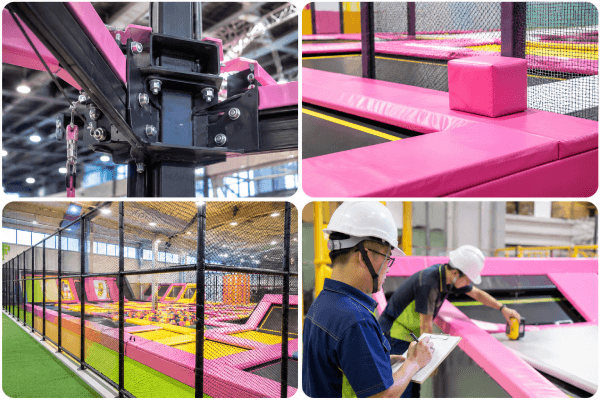
The jumping surface still anchors a commercial trampoline venue attraction package, so it deserves the largest share of both floor space and budget. A well-planned arena mixes open jump beds for free play, separated lanes for dodgeball or basketball, and a foam pit or air bag beneath the highest-energy features. Toddler areas need their own enclosure so small children are never mixed with fast-moving older guests, and spectator seating should face the courts so parents can watch comfortably. Entry and exit points control traffic between zones, which keeps supervision simple and reduces collisions on busy weekends. Every jumping feature adds inspection and maintenance work, so each one should justify the space it occupies.

Add-On Attractions That Fill Quiet Hours

Non-jumping attractions give a trampoline venue a second reason to visit, and they often generate the strongest repeat business. A commercial ninja course appeals to teenagers and adults who enjoy timed challenges and leaderboards, while soft play equipment serves families with younger children. Climbing walls, ropes elements, arcade corners, and party rooms extend average visit length without demanding the same ceiling height as the jumping arena. Each addition changes staffing, insurance, and cleaning routines, so it should be introduced deliberately. The aim is a lineup where one ticket covers several experiences, encouraging families to stay longer, spend more, and return sooner.

Designing an Attraction Mix for Every Age Group

Designing for every age group means planning separate experiences rather than one arena that tries to please everyone. Toddlers need low platforms, soft surfacing, and constant sightlines for parents; school-age children want obstacle challenges and group games; teenagers and adults respond to scoring, leagues, and competitive formats. Placing the loudest attractions away from party rooms and rest areas keeps those groups from spoiling each other’s visits. Staffing follows the same logic, since a venue that understands its age mix can train supervisors for specific zones instead of asking one team to watch everything at once. That clarity improves safety and reduces the number of staff needed at peak times.

Choosing a Partner for the Attraction Lineup

Working with an Miland indoor playground manufacturer keeps the attraction lineup coherent, because one supplier can match frame strengths, safety surfacing, and padding across every feature in the building. Mixing equipment from several vendors usually produces mismatched documentation, and inspectors ask for exactly the certificates a serious manufacturer already holds. Ask how each attraction is engineered for its intended age group, how replacement parts are supplied, and how the pieces fit together during installation. A supplier that installs its own products can also adjust layouts on site instead of shipping corrections, which shortens the path from delivery to opening day.

Planning the Mix Around Real Visitor Flow

Attraction planning only works when it follows the way visitors actually move through the building. Map the route from reception to shoe storage, then to the first attraction, and finally to the cafe, and check that every step feels natural on a crowded Saturday afternoon. The trampolining tradition behind modern parks is a useful reference here, because decades of competitive practice produced standard bed sizes, landing techniques, and safety expectations that translate directly into commercial equipment. Review the mix each quarter against attendance data, average visit length, and spending per head, and be willing to retire a feature that no longer earns the space it uses. Categories: Trampoline Park, Indoor Playground, Family Entertainment Center, Commercial Playground Equipment, FEC Attractions, Attraction Planning. Tags: trampoline park attractions, indoor trampoline park, family entertainment center, fec attractions, trampoline park design, commercial playground equipment. https://www.milandplay.com/product/trampoline-park-for-sale/

Как выбрать аттракцион Тагада для парка развлечений

Подбор коммерческого аттракциона для парка развлечений начинается с оценки формата, целевой аудитории и требований к безопасной эксплуатации. Оператор парка сравнивает разные модели, изучает конструкцию и определяет, какое оборудование лучше впишется в существующую или планируемую площадку. Материалы страницы «Аттракцион Tagada на 24 места» помогают рассмотреть тему «Как выбрать аттракцион Тагада для парка развлечений» с точки зрения заказчика, который готовит проект аттракциона и планирует его запуск. Как выбрать аттракцион Тагада для парка развлечений даёт исходные данные для сравнения конструкции, комплектации и условий поставки. Такой подход позволяет перейти от общей идеи к техническому заданию на парковое оборудование и сформировать понятный бюджет проекта.

Как выбрать аттракцион Тагада для парка развлечений — оборудование для парка развлечений
Аттракцион и оборудование для коммерческого парка развлечений

Как выбрать аттракцион и парковое оборудование под проект?

Предприятие подбирает аттракцион исходя из площади участка, пропускной способности, возрастной группы посетителей и требований к сервисному обслуживанию. Семейные парки, торговые центры и городские зоны отдыха предъявляют разные требования к конструкции, поэтому решение принимается после сравнения нескольких моделей. Заказчик оценивает, как оборудование будет загружаться в пиковые часы, как оно монтируется и какова логика ежедневного осмотра. Материал страницы «Аттракцион Tagada на 24 места» показывает, на какие особенности обратить внимание при выборе основного аттракциона. оборудование для аттракциона тагада — для парка аттракционов помогает сопоставить модель с задачами конкретной площадки. Связанная страница «Аттракцион Tagada на 24 места» уточняет, как отдельный аттракцион интегрируется в общую инфраструктуру парка развлечений. Инвестор сравнивает формат, вместимость, требования к фундаменту и логистику доставки ещё до заключения договора.

Какие параметры важно учитывать при подборе аттракциона?

Проектировщик парка анализирует габариты, вместимость, электропотребление, условия фундамента и безопасность посадочных мест. Каждый аттракцион должен соответствовать требованиям эксплуатации, поэтому характеристики одной модели нельзя переносить на другую без проверки. Заказчик учитывает, как оборудование поведёт себя в региональном климате, как организовано техническое обслуживание и какие запасные части требуются при регулярной работе. Данные страницы «Аттракцион Tagada на 24 места» используются как основа для подготовки запроса поставщику. подробная информация о выборе аттракциона — для проекта парка позволяет уточнить доступные варианты конфигурации. Управление парком становится точнее, когда техническое задание описывает посадочные места, зону безопасности, электрическую нагрузку и порядок допуска операторов, а не только внешний вид оборудования.

Как связанное оборудование помогает собрать полноценную игровую зону?

Связанное оборудование дополняет основной аттракцион и помогает создать целостную игровую зону. Парк развлечений добавляет малые формы, зоны ожидания, освещение и навигацию в зависимости от концепции и потока посетителей. Проект аттракциона требует согласованной работы нескольких элементов, поэтому заказчик проверяет совместимость каждого узла и общий маршрут движения гостей. связанное оборудование для парка аттракционов — для семейного парка рассматривается в контексте будущей эксплуатации площадки. Страница «Аттракцион Tagada на 24 места» помогает понять, как связанные решения включаются в общий проект. Предприятие сравнивает варианты планировки и рассчитывает необходимый резерв по электропитанию, обслуживанию и зонированию территории.

Как поставщик формирует комплексное решение для парка?

Поставщик паркового оборудования формирует комплексное решение на основе задач заказчика. Оператор оценивает участок, ожидаемый трафик и доступный бюджет, после чего подбирает аттракционы, зоны обслуживания и сопутствующую инфраструктуру. производитель аттракционов и паркового оборудования — для развлекательных комплексов представляет направления оборудования и примеры реализованных проектов. Страница «Производитель лидера в оборудовании для развлечений» даёт общее представление о возможностях компании и помогает заказчику перейти от выбора отдельного аттракциона к комплексному планированию парка развлечений. Инвестор учитывает, что оборудование должно быть согласовано по безопасности, управлению и обслуживанию в течение всего срока эксплуатации.

Какие справочные сведения подтверждают выбор технологии и формата?

Дополнительные справочные сведения о формате аттракционов помогают заказчику проверить терминологию и понять, чем отличаются семейные, детские и экстремальные модели. Парк анализирует требования к безопасности, правила допуска и особенности эксплуатации. Инвестор проекта сравнивает разные форматы и учитывает, какая аудитория будет основным потребителем услуги. парк развлечений — в индустрии развлечений даёт справочное описание понятия или процесса. Производственная компания использует такие данные для подготовки технического задания и пояснительной записки к проекту парка. Это дополняет описание оборудования и позволяет точнее определить требования к монтажу, зонированию и последующему обслуживанию.

Если тема актуальна для коммерческого парка развлечений, поставщик оборудования DINIS может уточнить комплектацию и условия реализации проекта, а дополнительная информация доступна здесь: https://www.attraktsiony.com/product/attraktsion-tagada/

How Can a Trackless Train Ride Become Part of the Park Theme Instead of Just a Transport Vehicle?

Many parks treat their train as a practical shuttle: it moves guests from the entrance to the far side and back again. Guests, however, remember trains that tell a story. With the right design decisions, a trackless train becomes an attraction in its own right – part of the theme, part of the entertainment, and part of the photographs visitors take home. This guide explains how to turn a themed trackless train ride into a genuine part of your park experience.

themed trackless train ride

Choose a Theme That Belongs to the Park

Theme integration starts with the story. A Christmas park may want a decorated festive train; a children’s park may prefer cartoon characters; a coastal destination may choose an ocean theme with waves and marine colors. The train should look as though it was designed for your park, not bought from a catalogue and repainted. This is the first step in trackless train park theming: deciding what the train represents before choosing its colours and bodywork.

Design the Route as a Story

Even a simple loop can become a narrative. Plan the route to pass your key scenery – a fountain, a themed zone, a garden, a water feature – and align the train’s theme with what guests see along the way. Add stations or slow sections where the train pauses for photographs. A route that follows a story keeps passengers watching instead of checking their phones, and it encourages second rides.

Customise Bodywork, Colours, and Characters

Customisation covers the locomotive shape, carriage design, colour scheme, graphics, seat fabric, and lights. Characters and decorations can be integrated into the body panels rather than added as temporary props, so the train looks coherent from every angle. Depending on your power system, an electric unit can be fitted with a diesel trackless train ride drivetrain equivalent or battery power without changing the external theme. The choice affects running time and cost, not the visual identity.

Match Music, Lighting, and Sound to the Theme

Sound and light complete the illusion. A themed melody, gentle bells, or a soft chime as the train departs, together with warm lighting for evening operation, turns a transport vehicle into a moving attraction. Keep the volume moderate, especially in family areas, and synchronise lighting with seasonal events to keep the train looking new throughout the year.

Integrate Stations and Boarding Areas

Stations can be themed as well: a small Victorian platform, a jungle clearing, or a festive gift house. Signage, ticket points, and seating should use the same visual language as the train. Boarding areas that fit the story encourage guests to treat the ride as an experience rather than a shortcut, and they create natural photo opportunities at no extra cost.

Plan Operations and Maintenance Around the Theme

Themed trains still need practical care. Choose materials that survive weather and cleaning, keep decorative elements removable for maintenance, and train staff to inspect lights and fittings daily. A themed train that always looks clean and complete reinforces the impression of quality across the whole park. With a well-planned design and a reliable supplier, the train becomes one of the most recognisable attractions on site.

When the train matches the park’s story, it stops being transport and becomes entertainment that guests remember. Work with a Dinis themed train supplier experienced in themed carriages and park transport, and explore how the modern trackless train vehicle developed into today’s flexible park rides. To discuss themes, capacities, and routes, visit https://www.dinistrains.com/trackless-train-rides/ and request a design proposal.

Electric or Diesel: Which Amusement Park Tourist Train Ride Is Better for Your Park?

Amusement park tourist trains carry guests across the whole venue, but the power system that moves them affects everything from noise to fuel bills. DINIS supplies park trains from 16 to 200 seats in both electric and diesel versions, and the best choice depends on your route, operating hours, and venue environment. This guide compares the two systems for a tourist amusement park train ride, covering ride experience, operating costs, route flexibility, and long-term reliability.

tourist amusement park train ride

What Riders Notice First

Guests feel the difference between power systems even if they cannot name it. Choosing the right park tourist train power source shapes what riders notice: electric and battery trains run quietly and smoothly, which suits family parks, zoos, and indoor venues where noise matters, while diesel trains produce a deeper engine note that some operators enjoy as part of a vintage or working-railway atmosphere. Modern electric trains can still simulate steam effects, so the classic tourist-train look works with either system. The choice is about how the train should feel, sound, and fit into your park’s environment.

The Case for Electric Tourist Trains

Electric trains are the fastest-growing choice for tourist rides because they are clean, quiet, and inexpensive to run. Battery and plug-in electric systems need no fuel storage, produce no local exhaust, and suit indoor malls, city parks, resorts, and eco-sensitive scenic areas. Charging can be scheduled overnight or between operating periods, and many modern models complete a full day on a single charge. The sightseeing train rides range from DINIS includes both electric and diesel versions, so you can compare runtimes and themes in one place.

The Case for Diesel Tourist Trains

Diesel power remains valuable for long routes, heavy passenger loads, and venues without reliable charging. Diesel trains refuel quickly, run all day without interruption, and handle steep grades with ease. They are common in large scenic spots, fairgrounds, and tourist routes where the train operates continuously through peak seasons. The diesel locomotive heritage gives operators a proven technology with widely available service knowledge and spare parts.

Operating Costs and Energy Efficiency

Costs diverge over the ride’s lifetime. Electric trains generally have lower energy and maintenance costs, with fewer moving parts than combustion engines, though batteries need periodic replacement. Diesel trains spend more on fuel and engine servicing but can be cheaper per passenger when routes are long and continuous. Ask manufacturers for energy consumption per trip, battery life, and service intervals, then model five years of operation for your route length and daily hours before choosing.

Matching the Power System to Your Route

Short loops in family-friendly or indoor venues favor electric; long continuous routes on challenging terrain favor diesel or hybrid solutions. Trackless trains on tires give flexibility on paved paths, while track-mounted trains provide a stable guided experience on fixed routes. Venues with unstable power or remote operation points should plan fuel or charging logistics carefully. Whatever you choose, the train should fit the park’s pace, gradient, and daily schedule.

Reliability, Warranty, and Support

The most important factor after the power system is the manufacturer’s support. DINIS provides a 365-day warranty and long-term after-sales service for amusement park trains, covering parts, guidance, and technical help. Reliability directly affects revenue, because a train out of service disrupts both transport and entertainment. Before purchasing, confirm spare-parts availability, service response times, and the experience of the installation team, and choose a power system backed by documented maintenance plans.

The right power system turns a tourist train into a dependable daily revenue generator. Work directly with a DINIS train factory that builds both electric and diesel models, and compare their specifications side by side before you commit. For detailed specifications, prices, and energy-cost estimates for your route, visit https://www.dinistrains.com/amusement-park-train-for-sale/ and discuss your operating plan with the team.